How to Write an Islamic Will (Wasiyyah) — Step-by-Step Guide
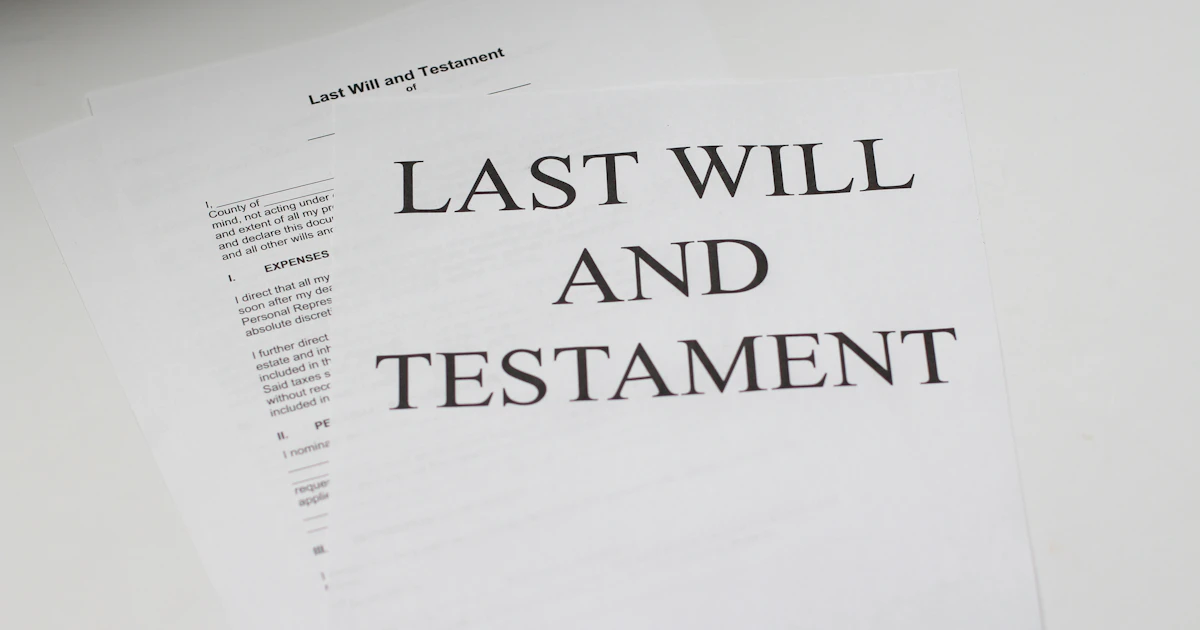
A wasiyyah is a voluntary bequest made by a Muslim before death, directing how up to one-third of the net estate should be used after funeral costs and debts are settled. It is not the same as Faraid. Faraid is the mandatory Quranic inheritance system that distributes the remaining two-thirds (and often the entire estate) according to divinely prescribed shares. The wasiyyah governs the optional portion; Faraid governs the obligatory portion. Every Muslim who owns property of any kind should have a valid Islamic will — without one, the estate will be distributed under local civil law, which rarely matches Faraid.
This article explains what a wasiyyah must contain, what it can and cannot include, how to choose an executor, and how to ensure the document is both Islamically valid and legally enforceable in your jurisdiction. For the legal formalities specific to your country, see our country guides: South Africa, United Kingdom, Australia, United States.
Wasiyyah vs Faraid: Understanding the Difference
Many Muslims conflate an Islamic will with Faraid. They are two separate instruments that work together but serve different functions.
| Feature | Wasiyyah (Islamic will) | Faraid (Islamic inheritance) |
|---|---|---|
| Source | Prophet’s Sunnah and Quranic permission | Directly prescribed in Surah An-Nisa |
| Mandatory? | Strongly recommended; not obligatory | Obligatory; cannot be overridden |
| Who benefits | Non-heirs, charities, specific purposes | Faraid heirs only |
| How much | Maximum one-third of the net estate | The remaining estate (at minimum two-thirds) |
| Can override Faraid? | No — and cannot favour Faraid heirs | Cannot be overridden by any will |
The Prophet (peace be upon him) said: “It is not permissible for a Muslim who has anything to bequeath to pass even two nights without having a written will.” (Bukhari, Muslim). The wasiyyah is a protection — for your family, for your charitable intentions, and for your estate’s integrity. Without it, your Faraid heirs must navigate civil courts without any documented guidance from you.
The One-Third Rule: What Can Be Bequeathed
The wasiyyah is capped at one-third of the net estate. The net estate is the gross estate minus funeral and burial costs, minus all debts of the deceased (including unpaid zakat, unpaid mahr, and commercial debts), minus any outstanding obligations. The one-third is calculated on this net figure — not on the gross estate.
If the deceased had a gross estate of R1,500,000 and debts and costs of R300,000, the net estate is R1,200,000. The maximum wasiyyah is therefore R400,000 (one-third of R1,200,000). The remaining R800,000 is distributed among the Faraid heirs. Use the FaraidHub calculator to enter your wasiyyah amount and see how it affects the net estate available for Faraid distribution.
A wasiyyah that exceeds one-third is not automatically invalid — the excess becomes valid only if all adult Faraid heirs unanimously consent to it after the testator’s death. This consent cannot be obtained before death and cannot be pressured. In practice, it is far safer to keep the wasiyyah within one-third and document it clearly.
What a Wasiyyah Cannot Do
There are two firm restrictions on a wasiyyah, agreed upon across all four madhabs.
First, a wasiyyah cannot be made to a Faraid heir. The rule “laa wasiyyata li-warith” — there is no bequest for an heir — is based on a widely transmitted hadith. If you wish to give more to a specific child or spouse, you must do so as a lifetime gift (hibah), not through the wasiyyah — see what Hibah is and how it works. However, lifetime gifts to one child without equal treatment of all children carry their own rulings around fairness and permissibility, and scholars advise caution — check with the Hibah Calculator.
Second, the wasiyyah cannot be used to harm heirs — for example, by artificially inflating debts, making charitable bequests that deplete the estate, or structuring the estate to prevent legitimate heirs from receiving their Faraid shares. Such a wasiyyah is void in the portion that constitutes harm.
What a Valid Wasiyyah Must Include
A wasiyyah that is only orally communicated is recognised in Islamic jurisprudence but is practically unenforceable in modern legal systems. A written, witnessed wasiyyah protects the family and ensures the testator’s intentions are carried out. A comprehensive Islamic will should contain the following elements.
- Identity and declaration. Full legal name, identity number, date, place of signing, and a clear statement that this is your Islamic will, revoking all previous wills.
- Declaration of faith and intent. A statement that the testator is Muslim and that the estate should be distributed according to Faraid after the settlement of debts and the wasiyyah.
- Appointment of executor(s). Name your executor and a backup executor. The executor is responsible for settling debts, executing the wasiyyah, and overseeing Faraid distribution. Without a named executor, a court will appoint one.
- Funeral and burial instructions. Instructions for Islamic burial — including direction, shrouding, and any preference for burial location. This section has immediate practical value as it must be acted on within 24–48 hours of death.
- Debt and zakat obligations. List any known outstanding debts, unpaid mahr, and whether there are unpaid zakat obligations. Debts must be settled before any inheritance is distributed.
- The wasiyyah bequests. Clearly specify the amount or percentage (not exceeding one-third of the net estate), the beneficiary (must not be a Faraid heir), and the purpose. If bequeathing to a charity, include the charity’s full name and registration number.
- Instruction for Faraid distribution. A clear statement directing the executor to distribute the remaining estate according to Islamic inheritance law (Faraid) according to the madhab of the deceased.
- Guardianship of minor children. If you have children under 18, name a guardian and a backup guardian. This is especially important for single parents or where both spouses have no surviving parents.
- Asset inventory reference. Reference a separate asset schedule or instruct the executor to compile one. The will itself need not list every asset — assets change over time — but the executor must know where to find them.
- Witness signatures. Two adult witnesses who are not beneficiaries, signing in your presence. Most jurisdictions require this for legal validity.
Choosing the Right Executor
The executor (Wasi) carries the legal and Islamic responsibility of implementing the will. This is not a ceremonial role — the executor must settle debts, engage with banks and government agencies, potentially sell assets, oversee the wasiyyah bequests, and ensure Faraid distribution is correctly calculated and paid out. Choosing the wrong person is one of the most common causes of estate disputes.
A good executor should be: a Muslim adult of sound mind and good character; financially literate enough to understand estate administration; available and willing to serve (always ask before naming someone); and ideally familiar with Faraid or willing to seek proper guidance. Consider naming a professional executor — an attorney or estate administrator — as co-executor alongside a trusted family member. The professional handles the legal process; the family member provides Islamic and personal context.
مِن بَعْدِ وَصِيَّةٍ يُوصِي بِهَا أَوْ دَيْنٍ
"After any bequest he may have made or debt." — Surah An-Nisa 4:11. The Quran places debts and the wasiyyah before Faraid in every mention of inheritance. The order is obligatory.
How the Wasiyyah Connects to Faraid
The wasiyyah and Faraid are executed in sequence, not simultaneously. The correct order of estate settlement is: (1) funeral and burial costs; (2) all debts including unpaid mahr and zakat; (3) the wasiyyah bequests up to one-third of the net estate; (4) Faraid distribution of the remainder. This order is not optional — it is repeated explicitly in Surah An-Nisa 4:11 and 4:12.
The FaraidHub Faraid calculator allows you to enter your wasiyyah amount as a deduction before calculating Faraid shares. This means you can model the effect of different wasiyyah amounts on what each heir receives — before you finalise your will. The FaraidHub Will Generator can then help you draft the wasiyyah document itself.
When to Update Your Islamic Will
A wasiyyah reflects your life at the moment of writing. Life changes make it outdated. You should review and update your will after: marriage or divorce; the birth of a child; the death of a named executor or beneficiary; a significant increase or decrease in assets; moving to a different country (jurisdiction changes the legal formalities); or a change in madhab if relevant. A will that names a deceased executor and refers to assets you no longer own is worse than no will at all — it creates legal uncertainty and delays.
Estate lawyers generally recommend reviewing your will every three to five years even if no major life event has occurred. Keep the original in a secure but accessible place, and ensure at least two trusted people know where it is.
Frequently Asked Questions
Draft Your Islamic Will
The FaraidHub Will Generator guides you through each section of a valid Islamic will. First use the Faraid calculator to establish your estate distribution, then use the Will Generator to draft the document.
Open Will Generator →