Islamic Estate Planning Blog
Expert guides on Faraid, Islamic inheritance law, madhab differences, and estate planning for Muslims worldwide.
Foundations
The core ‘what is’ primers behind every FaraidHub tool. Read these first.
What is Faraid? Understanding Islamic Inheritance Law
A plain-English overview of Faraid, the Quranic system of fixed shares that governs every Muslim estate.

What Is Hibah? The Complete Guide to Islamic Gift-Giving
The three conditions for a valid gift, the equal-treatment hadith, and revocability by madhab.

What Is Mahr? The Complete Guide to Islamic Dower
Quranic basis, prompt vs. deferred Mahr, why it belongs to the wife alone, and the mahr fatimi tradition.

What Is Paid Before Inheritance in Islam?
The estate is not divided immediately. Learn the order of funeral costs, debts, wasiyyah, and Faraid distribution.
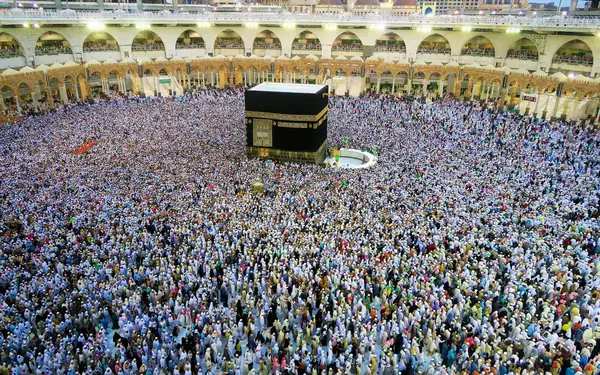
What Is Hajj? The Fifth Pillar of Islam Explained
Who must perform it, when it happens, an overview of its rituals, and how it differs from Umrah.
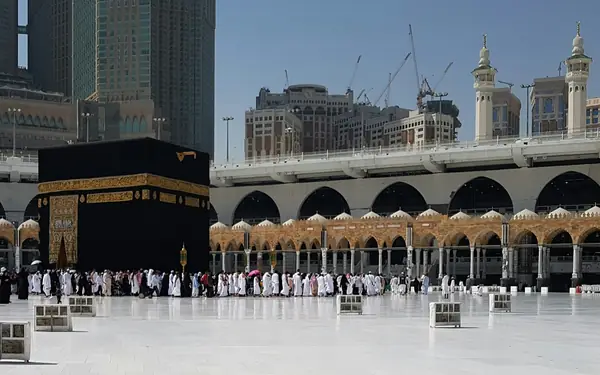
What Is Umrah? The Lesser Pilgrimage Explained
Whether it's Fard or Sunnah, when you can perform it, and how it differs from Hajj.
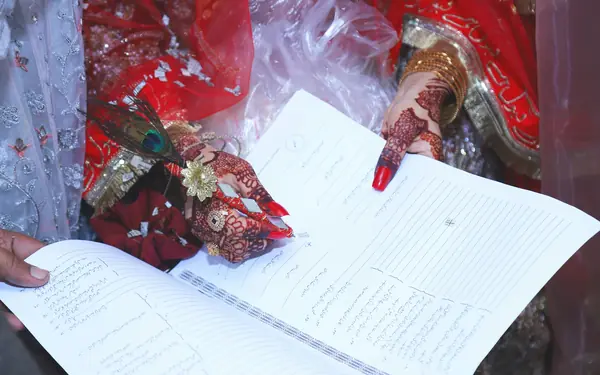
What Is Nikah? The Islamic Marriage Contract Explained
Conditions, Mahr, husband and wife's mutual rights, and how marriage ties into inheritance.

What Is Talaaq? The Islamic Divorce Process Explained
The Iddah waiting period, financial settlements, and whether divorced spouses still inherit.

What Is Business in Islam? Ownership, Partnership, Inheritance
Sole ownership vs. partnership, how a business is inherited, and safeguards like Wasiyyah and Waqf.

What Is Takaful? The Islamic Insurance Alternative
How Takaful differs from conventional insurance, its main models, and whether a payout counts as part of your Faraid.
How To
Step-by-step walkthroughs for using our calculators and completing key estate tasks.

How to Use the Faraid Calculator
Step-by-step walkthrough of every input field, from estate value to heir selection, with tips for accurate results.

How to Use the FaraidHub Hibah Calculator
Check if lifetime gifts to your children are equal, and model a Ruqba/Umra family home scenario.

How to Calculate Mahr: A Complete Step-by-Step Guide
Gold or silver weight priced live, marked prompt or deferred. Every field explained.
How to Write an Islamic Will: Wasiyyah Explained
A practical guide to writing an Islamic will, understanding wasiyyah, protecting heirs, and aligning estate instructions with Faraid.

How to Use the FaraidHub Janazah & Estate Guide
How to read the guide and know which calculator to use, with a worked example from funeral costs to final Faraid shares.
Detailed Articles
In-depth explanations of every heir’s share, each madhab’s rules, and the wider Islamic law around inheritance and estate planning.

Daughter's Share in Islamic Inheritance
How daughters inherit, the 2:1 ratio with sons, granddaughter supplementary shares, and blocking rules.

Wife's Share in Islamic Inheritance
1/4 and 1/8 shares explained, multiple wife rules, Mahr as a debt against the estate, and Radd.
Husband's Share in Islamic Inheritance
1/2 and 1/4 shares explained, a widower's rights, the Radd rules, and how his share compares to a wife's.

Son's Share in Islamic Inheritance
The son as Asabah residuary heir, the 2:1 ratio with daughters, blocking grandsons and brothers, and worked examples.

Mother's Share in Islamic Inheritance
The 1/3 and 1/6 shares, the Gharrawain special cases, what reduces the mother's share, and when she is never blocked.

Father's Share in Islamic Inheritance
The father's dual role as fixed-share and Asabah heir, three distribution scenarios, and the extensive list of heirs he blocks.

Siblings' Share in Islamic Inheritance
Full, paternal, and uterine siblings: shares, blocking rules, equal treatment of uterine siblings, and the madhab difference.

Multiple Wives & Their Children: Inheritance Rights in Islam
How the spousal share is divided among wives, children from different marriages, and Mahr as a debt against the estate.
What Happens If There Are Only Daughters and No Sons?
Understand how Faraid works when the deceased leaves daughters but no sons, including fixed shares, Radd, and worked examples.

The Difference Between the 4 Madhabs in Islamic Inheritance
A clear comparison of Hanafi, Maliki, Shafi'i, and Hanbali approaches: Radd, grandfather, and Dhawul Arham differences.
Hanafi Inheritance Rules: Complete Guide
Full reference table, the grandfather-blocks-siblings rule, Radd and Awl under Hanafi law, and worked examples.

Maliki Inheritance Rules: Complete Guide
The defining Maliki rule, Radd to spouse, plus muqasama for grandfather, Dhawul Arham position, and worked examples.
Shafi'i Inheritance Rules: Complete Guide
Muqasama, no Radd to spouse, Dhawul Arham in SE Asia courts, and key differences from Hanafi.

Hanbali Inheritance Rules: Complete Guide
Muqasama, the unique Hanbali position on Dhawul Arham, Saudi Arabian practice, and worked examples.

Mahr vs. Dowry: Why They're Opposites, Not the Same Thing
Mahr and dowry are often used interchangeably. They aren't the same: they run in opposite directions.

Hibah vs. Wasiyyah vs. Faraid: What's the Difference?
When each applies, whether it's capped, whether it can benefit an heir, and whether you can give inheritance early.

Can Your Spouse Keep the Family Home in Islam?
A Ruqba or Umra gift can let a spouse keep the family home for life. Scholars genuinely differ on the reverting condition.

Are Living Trusts Permissible in Islam?
Permissibility depends on a trust's terms, not its label, plus how trusts compare to Hibah and Wasiyyah.

Common Mistakes in Islamic Estate Distribution
The errors that lead to invalid wills, missed heirs, and unnecessary conflict, and how to avoid them.

Why Every Muslim Should Plan Their Estate Now
Five compelling reasons why Islamic estate planning is a religious obligation, not just a financial task.
Surah An-Nisa: The Quranic Foundation of Islamic Inheritance
The three inheritance verses of Surah An-Nisa explained: the six divine fractions, who receives them, and why they cannot be altered.

What to Do When a Muslim Loved One Passes Away
The full journey from the moment of loss (ghusl, kafan, Salat al-Janazah, burial) through to debts, wasiyyah, and Faraid distribution.
Step-by-Step Faraid Calculation: Worked Example With Real Numbers
See how a Faraid estate is calculated from net estate value to fixed shares, residue, and final amounts.
Advanced Faraid
The mechanisms, edge cases, and advanced topics that determine exact estate distributions.

Son vs Daughter Inheritance in Islam: The 2:1 Ratio Explained
The 2:1 ratio only applies when a son and daughter inherit together, not as a universal rule. Every combination worked out with real numbers.

Asabah Explained: Residuary Heirs in Islamic Inheritance
Residuary heirs take what's left after fixed shares are paid, and Asabah doesn't just mean "male heir". The three types explained, with a real worked example.
The Famous Special Cases of Islamic Inheritance
Umariyyatayn, the donkey case (Mushtaraka), and Akdariyyah, worked step-by-step with the exact math and every madhab difference.

Awl: When Shares Exceed the Estate
Historical origin, the 5-step calculation method, all possible Awl denominators, and how shares are reduced proportionally.
Radd: When Surplus Returns to Heirs
When Radd applies, who receives it, the Maliki spousal Radd difference, and worked examples.

Dhawul Arham: Distant Relatives in Islamic Inheritance
Who Dhawul Arham are, three scholarly positions, how madhabs differ, and modern court practice.
Hajb: Islamic Inheritance Blocking Rules Explained
Hajb Hirman vs Hajb Nuqsan: the full blocking table, heirs never blocked, and the madhab difference.

Kalalah: Inheritance When No Parent or Child Exists
The two Quranic verses, sibling shares in Kalalah, equal treatment of uterine siblings, and worked examples.
Country Guides
How Islamic inheritance intersects with civil law in Muslim communities worldwide.

Islamic Inheritance in South Africa
Estate duty, ANCs, Nikah wives, and how SA Muslims can protect their inheritance rights under the Wills Act.

Islamic Inheritance in the UK
IHT, the Inheritance Act 1975 risk, Nikah wife protection, and writing a valid Islamic will in England and Wales.

Faraid in the USA: Islamic Inheritance Under US Law
State-by-state variation, US estate tax, Islamic will requirements, and protecting your heirs' rights.

Islamic Inheritance in Malaysia
Faraid under Malaysian state law, EPF nominations, Hibah, Harta Sepencarian, and no estate duty.
Islamic Inheritance in the UAE
UAE Personal Status Law, DIFC Wills for non-Muslims, frozen bank accounts, and expat planning.

Islamic Inheritance in Canada
Valid Islamic wills under provincial law, RRSP nominations outside Faraid, probate fees, and Nikah wife protection.

Islamic Inheritance in Australia: Faraid and Australian Law
Learn how Faraid planning works in Australia, including Islamic wills, civil law, executors, and family provision risks.

Islamic Inheritance in India
The Shariat Act 1937, the agricultural land exception, Succession Certificates, and a worked example.

Islamic Inheritance in Pakistan
The 1962 Muslim Personal Law Act, the disputed orphaned-grandchildren rule, NADRA succession certificates, and women's inheritance rights.

Islamic Inheritance in Bangladesh
The 1961 Family Laws Ordinance, the settled orphaned-grandchildren rule, Warisan certificates, and women's inheritance rights.

Islamic Inheritance in Singapore
The Shafi'i default, CPF nomination risk, HDB joint tenancy, and the Sijil Faraid process.

Islamic Inheritance in Nigeria
Sharia states vs the rest of the country, the Maliki default, and women's inheritance rights vs customary law.
Other Languages
Our cornerstone guide, now available beyond English.
وراثت کی تقسیم: مکمل اسلامی رہنمائی
Our first cornerstone guide in Urdu: Quranic shares, Wasiyyah, Awl, Radd, Hajb, and the four Sunni madhabs, explained for Urdu-speaking readers.

Hukum Waris Islam: Panduan Lengkap Pembagian Warisan
Our cornerstone guide in Bahasa Indonesia: Quranic shares, Wasiat, 'Awl, Radd, Hijab, and the four Sunni madhabs, explained for Indonesian readers.
تقسيم الميراث في الإسلام: دليل شامل
Our cornerstone guide in Arabic: Quranic shares, the pre-distribution order, Awl, Radd and Hajb, the four madhabs, and a fully worked estate example.

ইসলামী উত্তরাধিকার ও ফরায়েজ: সম্পূর্ণ বাংলা নির্দেশিকা
Our cornerstone guide in Bengali: Quranic shares, Wasiyyah, Hajb, Asabah, Awl and Radd, with a fully worked estate example for Bangla-speaking readers.

Hukum Faraid Malaysia: Panduan Lengkap Pembahagian Harta Pusaka
Our cornerstone guide in Bahasa Melayu: bahagian waris, wasiat, awl, radd, hijab, sijil faraid, and the four Sunni madhabs, explained for Malaysian readers.