Surah An-Nisa: The Quranic Foundation of Islamic Inheritance
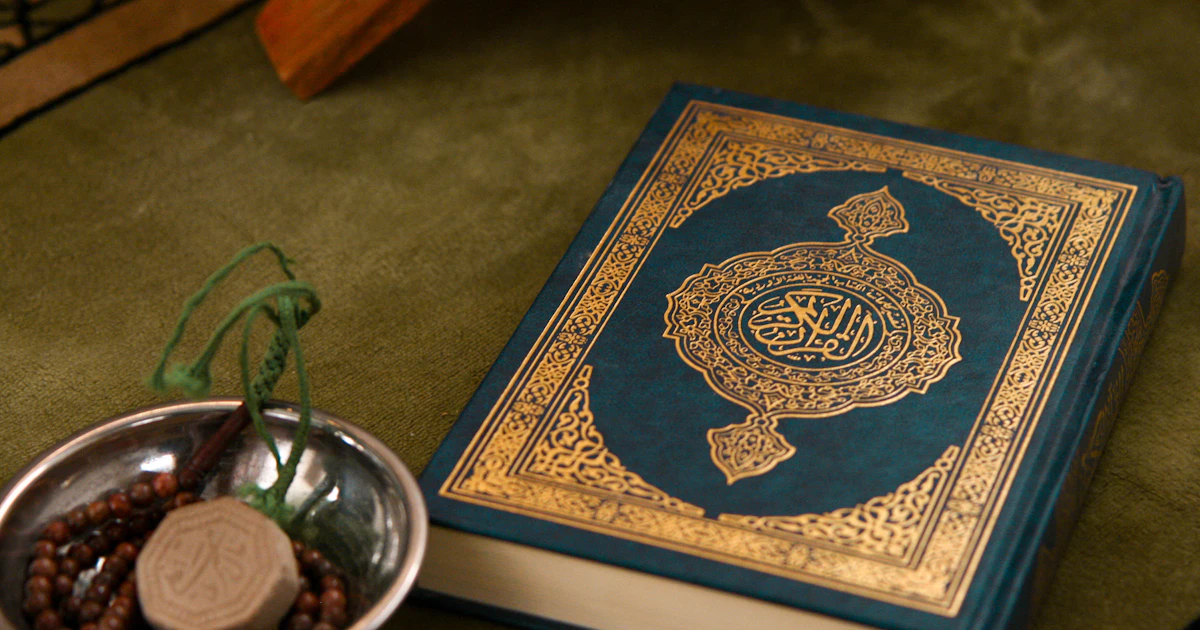
Surah An-Nisa verses 4:11, 4:12, and 4:176 are the primary Quranic source for Islamic inheritance law. Verse 4:11 sets the shares for children and parents, verse 4:12 covers spouses and certain siblings, and verse 4:176 addresses inheritance when there is no child or parent (Kalalah). Together they define six fixed fractions — 1/2, 1/4, 1/8, 2/3, 1/3, and 1/6 — that all four Sunni madhabs follow.
No other chapter of the Quran deals with inheritance law as directly or as precisely as Surah An-Nisa — The Women. Within a single Surah, Allah specifies the exact fractional shares of inheritance for parents, children, spouses, and siblings, identifies which heirs receive fixed shares, establishes the priority of debts and bequests over inheritance, and closes the passage with a warning that these are the limits set by Allah. This article examines the three inheritance verses of Surah An-Nisa in detail — what each verse says, who it addresses, and how it forms the mathematical foundation of Faraid law.
يُوصِيكُمُ ٱللَّهُ فِىٓ أَوْلَـٰدِكُمْ ۖ لِلذَّكَرِ مِثْلُ حَظِّ ٱلْأُنثَيَيْنِ
"Allah instructs you concerning your children: for the male, what is equal to the share of two females." — Surah An-Nisa 4:11
The Six Divine Fractions
What makes the Quranic inheritance system unique in the history of legal thought is its mathematical precision. Most areas of Islamic law involve general principles from which scholars derive specific rulings through interpretation. Inheritance law is different — the actual fractions are stated explicitly in the Quran. Allah mentioned exactly six fractions in Surah An-Nisa:
| Fraction | Who receives it | Condition |
|---|---|---|
| 1/2 | Husband, one daughter, one full sister | No children (husband); no son, no other daughters (daughter/sister) |
| 1/4 | Husband, wife (or wives collectively) | With children (wife); no children (husband) |
| 1/8 | Wife (or wives collectively) | When children are present |
| 1/3 | Mother, two or more uterine siblings collectively | No children, no two or more siblings (mother) |
| 2/3 | Two or more daughters, two or more full sisters | No son (daughters); no brother (sisters) |
| 1/6 | Father, mother, grandfather, grandmother, one uterine sibling | Various conditions — when children present, etc. |
These six fractions — and only these six — are the fixed shares (Furud Muqaddarah) of Islamic inheritance. Any heir entitled to one of these fractions receives it before the residue is distributed. The Asabah (residuary) heirs take what remains after all fixed shares are assigned.
Verse 11 — Children and Parents
Surah An-Nisa 4:11 is the primary inheritance verse of the Quran. It establishes three major rules in one verse: the 2:1 ratio between sons and daughters, the fixed shares of parents, and the critical qualifying condition that these shares apply after any bequest and after debt.
يُوصِيكُمُ ٱللَّهُ فِىٓ أَوْلَـٰدِكُمْ ۖ لِلذَّكَرِ مِثْلُ حَظِّ ٱلْأُنثَيَيْنِ ۚ فَإِن كُنَّ نِسَآءً فَوْقَ ٱثْنَتَيْنِ فَلَهُنَّ ثُلُثَا مَا تَرَكَ ۖ وَإِن كَانَتْ وَٰحِدَةً فَلَهَا ٱلنِّصْفُ ۚ وَلِأَبَوَيْهِ لِكُلِّ وَٰحِدٍ مِّنْهُمَا ٱلسُّدُسُ مِمَّا تَرَكَ إِن كَانَ لَهُۥ وَلَدٌ
"Allah instructs you concerning your children: for the male, what is equal to the share of two females. But if there are only daughters, two or more, for them is two-thirds of what he left. And if there is only one, for her is half. And for one's parents, to each one of them is a sixth of what he left, if he had children." — An-Nisa 4:11
The verse then continues to address the situation where the deceased has no children — in which case the mother receives one-third (or one-sixth if the deceased has siblings), and the father takes the remainder as a residuary heir. The verse closes with the phrase min ba'di wasiyyatin yusi biha aw dayn — "after any bequest he may have made or debt" — establishing the mandatory priority of debts and bequests over inheritance.
Verse 12 — Spouses and Uterine Siblings
Surah An-Nisa 4:12 extends the system to cover spouses and uterine (maternal half) siblings. It establishes the husband's shares of 1/2 (no children) and 1/4 (with children), and the wife's shares of 1/4 (no children) and 1/8 (with children) — the wives collectively sharing a single spousal portion in a polygynous marriage. The verse also addresses the situation of Kalalah — a person who dies leaving neither parent nor child — in which case uterine siblings receive fixed shares.
| Heir | Share — no children | Share — with children |
|---|---|---|
| Husband | 1/2 | 1/4 |
| Wife / wives collectively | 1/4 | 1/8 |
The verse again closes with the phrase about debts and bequests — the repetition is deliberate. Islamic scholars note that Allah mentioned the priority of debts twice across the two verses, emphasising that the Faraid fractions are calculated on the estate that remains after all obligations are discharged.
Verse 176 — Full Siblings in Kalalah
The final inheritance verse of Surah An-Nisa appears at verse 176. It addresses full siblings (as opposed to uterine siblings covered in 4:12) in the specific context of Kalalah — no surviving parent or child. A sole full sister receives 1/2. Two or more full sisters receive 2/3 collectively. Full brothers are residuary heirs. If both brothers and sisters survive, brothers receive double the sisters' share.
The Divine Boundary Warning
Surah An-Nisa does not leave the inheritance passage open to reinterpretation. After specifying the fractions, Allah concludes with a direct warning in verse 13–14:
تِلْكَ حُدُودُ ٱللَّهِ ۚ وَمَن يُطِعِ ٱللَّهَ وَرَسُولَهُۥ يُدْخِلْهُ جَنَّـٰتٍ تَجْرِى مِن تَحْتِهَا ٱلْأَنْهَـٰرُ خَـٰلِدِينَ فِيهَا ۚ وَذَٰلِكَ ٱلْفَوْزُ ٱلْعَظِيمُ
"These are the limits set by Allah. And whoever obeys Allah and His Messenger will be admitted to gardens under which rivers flow, abiding eternally therein; and that is the great attainment." — An-Nisa 4:13
The word hudud — limits or boundaries — is significant. These fractions are not guidelines or recommendations. They are fixed boundaries established by Allah, compliance with which is an act of worship and violation of which is a transgression. This is why Faraid is described by scholars as fard — an obligation — not merely a recommendation.
Why This Matters for Every Muslim Estate
Understanding the Quranic source of Faraid matters for two reasons. First, it explains why the fractions cannot be changed by family agreement, cultural custom, or personal preference. They are not the product of human legislation — they are divine revelation, with the same authority as the obligation to pray or fast. Second, it reinforces that distributing an estate incorrectly — giving daughters equal shares with sons, excluding a surviving parent, or concentrating the estate in one child's hands — is not a family decision. It is a violation of Quranic instruction.
For a complete walkthrough of how these fractions are calculated in practice, see our step-by-step Faraid calculation guide. To apply them to your own family, use the FaraidHub Faraid calculator.
Frequently Asked Questions
Apply the Quranic Fractions to Your Estate
The FaraidHub calculator applies all six Quranic fractions automatically, accounting for all heirs, blocking rules, and madhab differences.
Open the Faraid Calculator →